If you're someone who actively tries to get away from the crowds, find quieter moments, and spend meaningful time with locals, we can help. If you're visiting some of the most popular destinations like Anchorage, Seward and Kenai Fjords, Denali National Park, or Juneau, there are still ways to experience them in an unhurried way that feels a little more authentic to you. We're talking scenic side drives, hikes a little farther from town, staying at local cabin rentals or B&Bs where you can connect with locals. And if you really want to get away from the main hustle, you can do that too. We have sample itineraries that bring you to towns that get a fraction of the traffic the major areas do—places with plenty of comfort, genuine community, and room to breathe.
When to Go
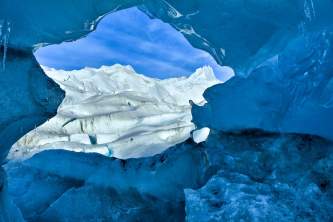
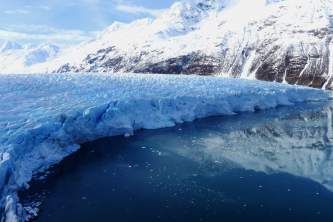
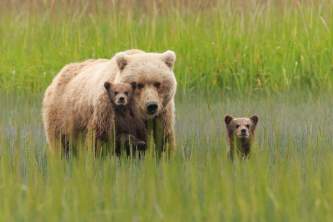
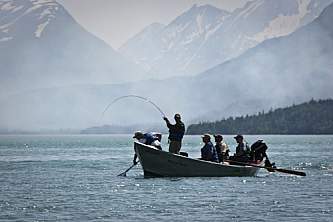
If you're after classic summer experiences (watching tidewater glaciers calve into the ocean, bear viewing, fishing), the best window is May through September, with peak season running June, July, and August.
A few other timing notes:
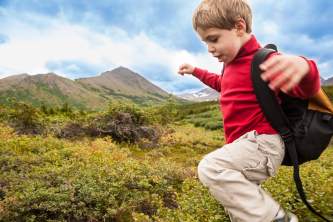
- If hiking is high on your list, wait until mid-June to early July when the higher alpine trails have dried out from snowmelt (though this always depends on how much snow we get).
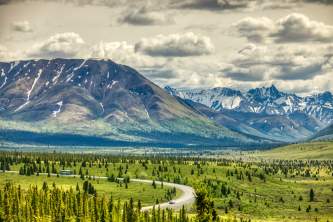
- Some of the gravel, off-the-beaten-path roads, like the Denali Highway close in the winter and are generally open mid-May through October 1.
- By late-August and early September, fall colors begin to show in the tundra, and the pace slows once more. This is an ideal window to see the northern lights, visit national parks like Wrangell–St. Elias, or photography-focused itineraries to take advantage of the changing colors.
- If you want snow, plan your itinerary for late November through March. February and March bring winter festivals and longer daylight hours.
Sample Itineraries
View All Off-The-Beaten-Path Trip IdeasOff-the-beaten-path itineraries are about showing you Alaska's highlights (most visitors still want to see towering mountains, glaciers, and wildlife) away from the crowds, and are built for those who don't mind traveling a little farther to get to those experiences. Some itineraries are standalone trips, while others can be paired with existing trips to get you to places that are a little more remote.
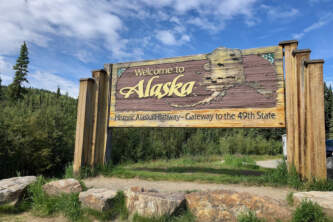
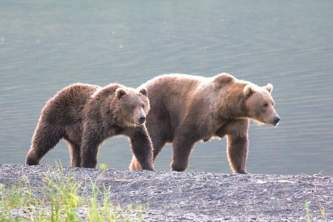
You'll find coastal adventures to fishing towns accessible only by ferry or plane, loops through Prince William Sound, and journeys into America's largest national park (Wrangell St. Elias) filled with history and old mining towns. There are bear viewing trips to Kodiak and ideas on how to see Alaska if you reach us by driving through Canada!
Each itinerary includes practical details, direct booking links for activities and lodging, and support from Alaska-based experts if you want help customizing your route.
Favorite Activities
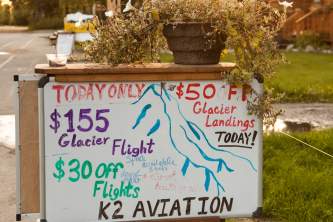
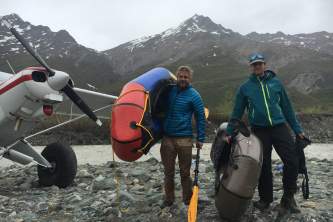
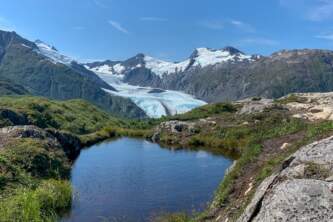
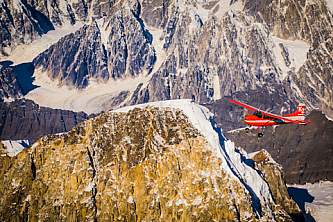
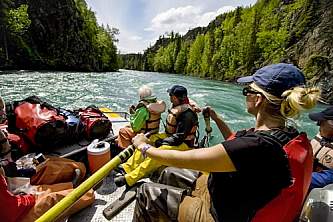
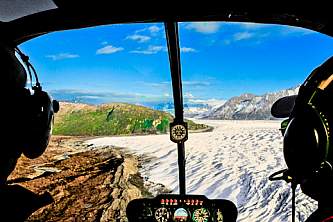
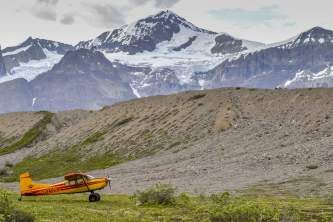
Show AllWe find off-the-beaten-path travelers are often wary of tours. There are plenty of things you can do in Alaska unguided: hiking, biking, photography, visiting wildlife viewing locations. Those independent experiences are absolutely worth your time. But it's a mistake to avoid tours altogether. They often exist to provide access to places you wouldn't be able to reach on your own. A guided rafting tour that has you bobbing alongside icebergs that have calved from a glacier, sea kayaking to quiet coves, or remote landings on a glacier by ski plane or helicopter. If you don't want crowds, look for private guided tours or make sure you ask about the number of travelers on a given tour.
Here are some experiences we don't think you should miss.
Getting Around
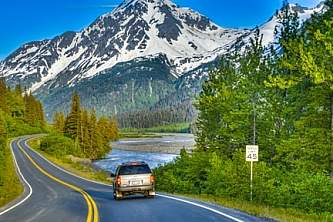
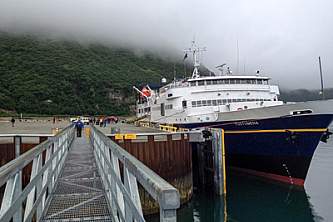
Getting to Alaska's less-visited towns often means using a mix of transportation: scenic roads, small planes, and state ferries all play a role. Most trips begin in Anchorage or Fairbanks, then extend outward via car rental, regional flights, or connections on the Alaska Marine Highway.
For road-accessible destinations like McCarthy, Kennicott, or Valdez, a car rental is ideal—especially if you want to stop for hikes or photo breaks along the way. Make sure you request a rental that allows for travel on gravel roads.
For towns not on the road system like Kodiak, Dutch Harbor, Cordova, or Nome, you'll arrive by plane or ferry. The key is to plan a little ahead, build in some flexibility, and enjoy the journey as much as the destinations!
Where to Go
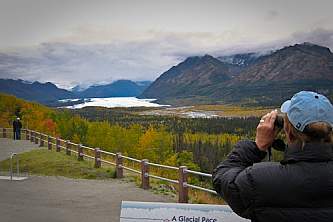
It takes a little more effort to reach these off-the-beaten-path destinations, but it's worth it. The pace of life is unhurried so there’s more time to linger and take it all in. And you likely won’t be shoulder to shoulder with other visitors.
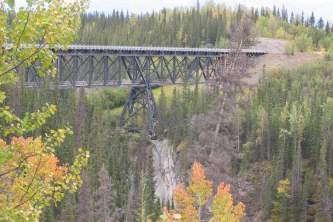
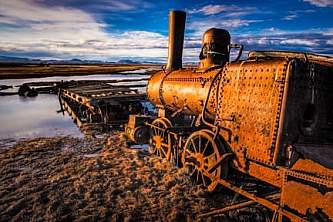
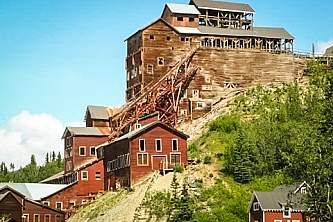
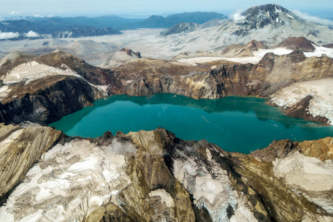
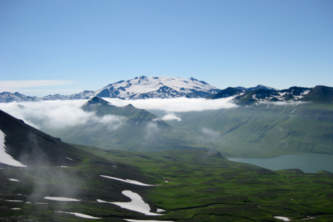
For example, Wrangell–St. Elias National Park is vast, dramatic, and surprisingly accessible via a 7-hour drive from Anchorage. The towns of McCarthy and Kennicott lie at the end of a scenic gravel road and serve as a base for hiking, glacier trekking, and soaking up history in a preserved mining town.
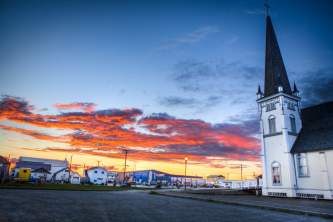
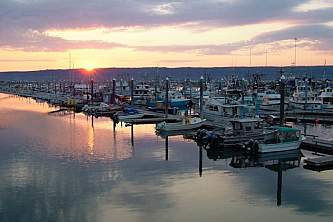
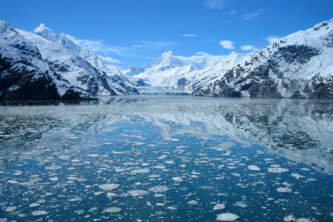
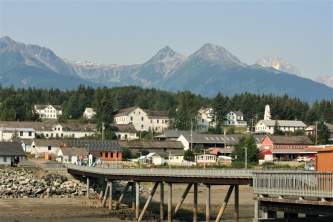
Cordova, tucked into Prince William Sound and reachable only by ferry or plane, offers hiking trails, cultural museums, and stunning scenery. Valdez, also in Prince William Sound but connected by road, offers glacier access, sea kayaking, and a laid-back vibe perfect for travelers who like a slower pace.
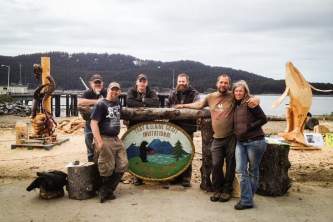
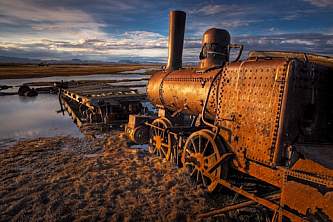
In Nome, you can explore the historic gold rush era and drive three scenic, remote roads into the tundra, while Kodiak Island offers a combination of bear viewing, coastal culture, and World War II history.
See All Alaska Destinations
Where to Stay
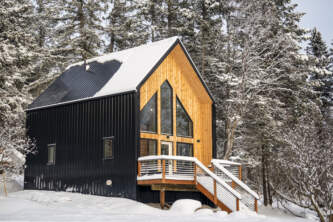
Show AllCabins, B&Bs, and Vacation Rentals
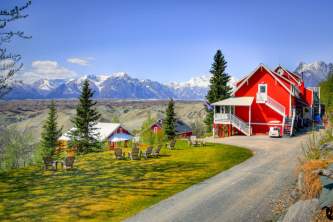
Cabins, B&Bs, and vacation rentals are perfect if you want authentic, one-of-a-kind stays with extra space and privacy. Many include kitchens so you can cook your own meals, and most give you a strong sense of place you won't find at larger chain hotels. You'll find everything from road-accessible cabins near towns and national parks to remote hideaways that require a water taxi. Some properties are exclusive, standalone rentals; others sit on shared grounds with on-site dining or shared kitchens.
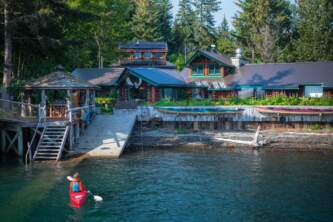
Wilderness Lodges
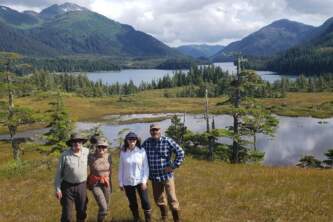
Wildernress Lodges are only accessible by small boat or air taxi, with neighbors many miles away. Lodges tuck into the trees with sweeping views of mountains, glaciers, or bays. While most visitors stick to easy-to-reach hot spots, you'll be far from the crowds, deep in wild country with expert guides to help you explore.
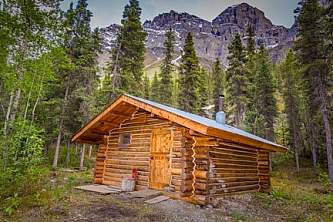
Campgrounds and Public Use Cabins
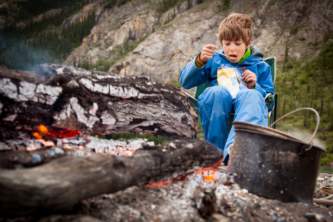
Tent camping (whether along the roadside or in designated sites) offers total freedom. You'll want to travel with bear-safe food storage, a reliable water filter, and solid weather gear, but the payoff is big: quiet nights, big skies (where in June it never gets truly dark), and front-row seats to the natural world. Or, you can rent a campervan or RV for an added layer of comfort.
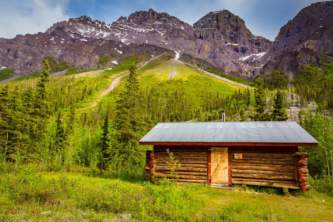
Public use cabins (run by Alaska State Parks, the Forest Service, or BLM) are a favorite for travelers who want rustic stays in wild places. You'll need to bring your own sleeping bags, pads, food, and water and get there under your own power, but many cabins are just a short hike or paddle away from trailheads or parking areas. Some are accessible via an air or water taxi.
Travel Tips
Show AllTraveling to less-visited areas in Alaska means embracing a different rhythm. You'll want to book transportation and lodging in advance, especially for ferries or bush flights, but leave space in your plans for spontaneity. Local recommendations often lead to the most memorable stops.
Connectivity can be limited, so download maps in advance, carry printed directions, and consider a GPS communicator if you're venturing far from towns. Pack layers for all seasons, a basic first-aid kit, and any gear specific to your activities.