A Local Filmmaker’s Guide to Sitka’s Incredible Wildlife
By Ben Hamilton
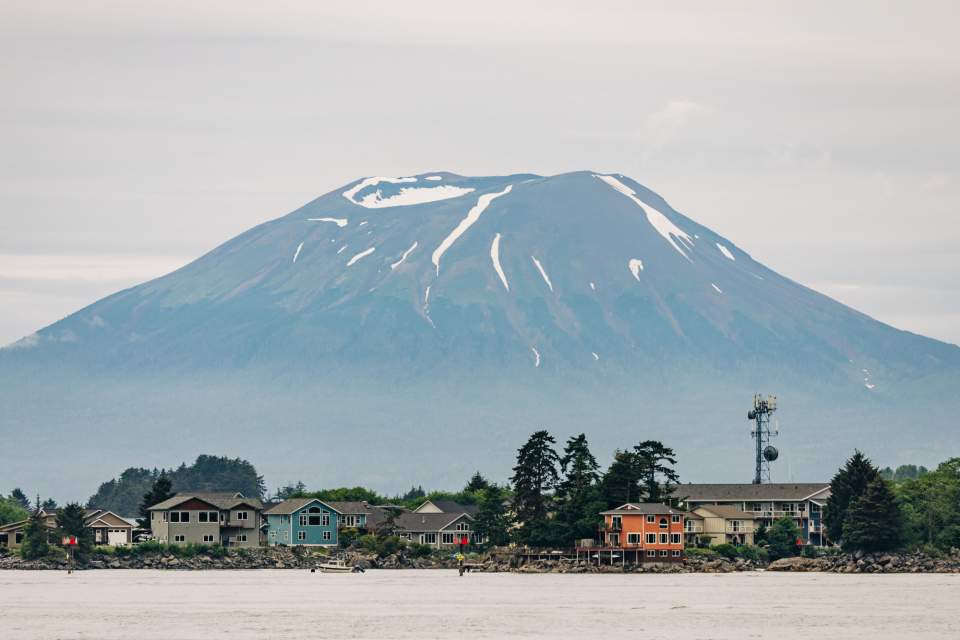
The boat rocks gently as cold air rolls off the water. Mount Edgecumbe, the sleeping volcano, rises behind you in the early light. A tufted puffin flies overhead and a brown bear walks the beach in the distance.
Then you hear it.
A deep call rising from beneath the surface.
Suddenly the ocean erupts. Five humpback whales explode through the surface together, mouths wide open as herring scatter across the water. The moment lasts only seconds, but it reminds you how alive this place truly is.
I am Ben Hamilton, a wildlife filmmaker who has spent more than sixteen years exploring and filming the coastlines of Southeast Alaska for organizations including National Geographic and the BBC. I have worked in more than thirty six countries around the world, yet Sitka remains one of the most remarkable wildlife ecosystems I have ever experienced.
I first arrived here in 2008 and have spent countless days exploring the waters and islands around Sitka Sound by kayak, boat, and camera. Over time I came to understand something important about this place. Sitka is not just beautiful. It is alive in a way that few places on earth still are.
If you are visiting Alaska and hoping to experience wildlife in a meaningful way, Sitka deserves serious consideration.

Why Sitka Is Such an Extraordinary Wildlife Destination
Sitka sits on the outer coast of Southeast Alaska where the Pacific Ocean collides with a maze of forested islands and deep fjords. The result is a landscape shaped by tides, storms, and powerful ocean currents.
These forces drive nutrients into coastal waters and create one of the most productive marine ecosystems in North America.
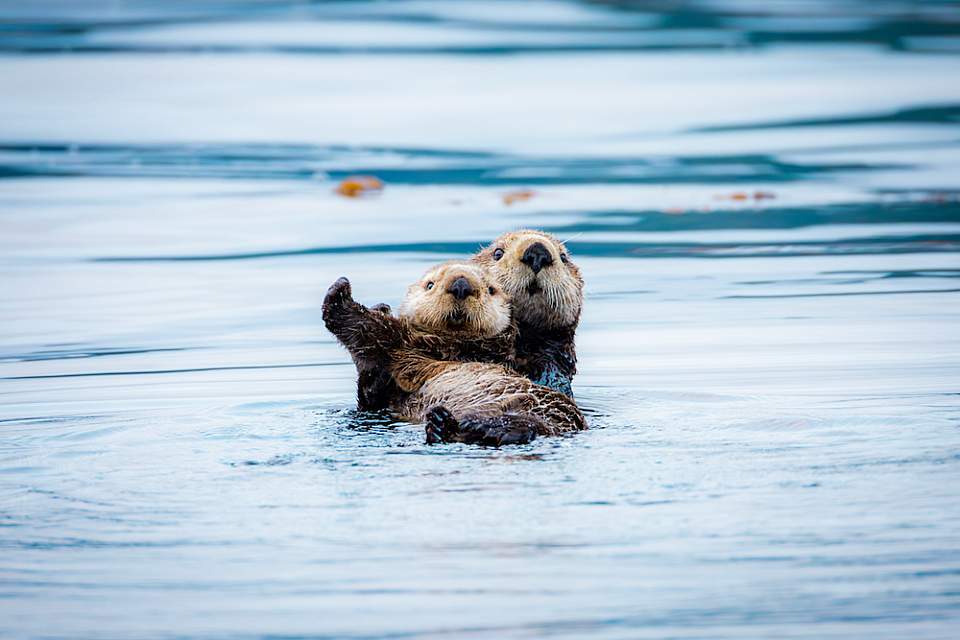
Just offshore, humpback whales feed in rich waters. Sea otters raft together in kelp beds. Steller sea lions gather on rocky haul outs. Hundreds of thousands of seabirds nest on remote islands.
On land the Tongass National Forest stretches across Baranof Island. This vast temperate rainforest supports salmon streams, brown bears, bald eagles, and countless smaller species that rely on the health of the entire ecosystem.
What makes Sitka unique is how accessible this wild system is. Within minutes of leaving town you can be surrounded by remote islands, open ocean, and wildlife moving through a landscape that feels largely unchanged for thousands of years.
Marine Wildlife in Sitka Sound
Sitka faces directly into the Gulf of Alaska, and the surrounding waters support an extraordinary diversity of marine mammals.
Wildlife commonly seen around Sitka includes:
- Humpback Whales: These massive whales feed throughout the summer and are often seen breaching, tail slapping, or performing coordinated feeding behaviors known as bubble net feeding.
- Sea Otters: Thousands of sea otters live in Sitka Sound. They float on their backs cracking shellfish, groom constantly to maintain their thick fur, and often gather in large groups known as rafts.
- Harbor Seals: Harbor seals are frequently seen resting on rocky shores or quietly hunting along kelp forests.
- Steller Sea Lions: These large marine mammals gather in loud colonies on offshore rocks where their roars echo across the water.
- Orcas: Resident and transient orca pods occasionally patrol the outer waters, sometimes hunting marine mammals along remote shorelines.
- Gray Whales: During spring migration gray whales pass through the region feeding on herring eggs and other coastal prey.
Encounters often unfold against dramatic backdrops. Volcanic peaks rise from the sea, dense forests cover the islands, and Pacific storms create constantly changing light across the water.
Seabird Colonies of the Outer Coast
Just offshore sits St Lazaria Island, one of the most important seabird colonies in Southeast Alaska.
Part of the Alaska Maritime National Wildlife Refuge, this small island supports hundreds of thousands of nesting seabirds each summer. From the water you can watch birds circling cliffs, diving for fish, and returning to nests that crowd the steep rock faces.
Species commonly seen around St Lazaria include:
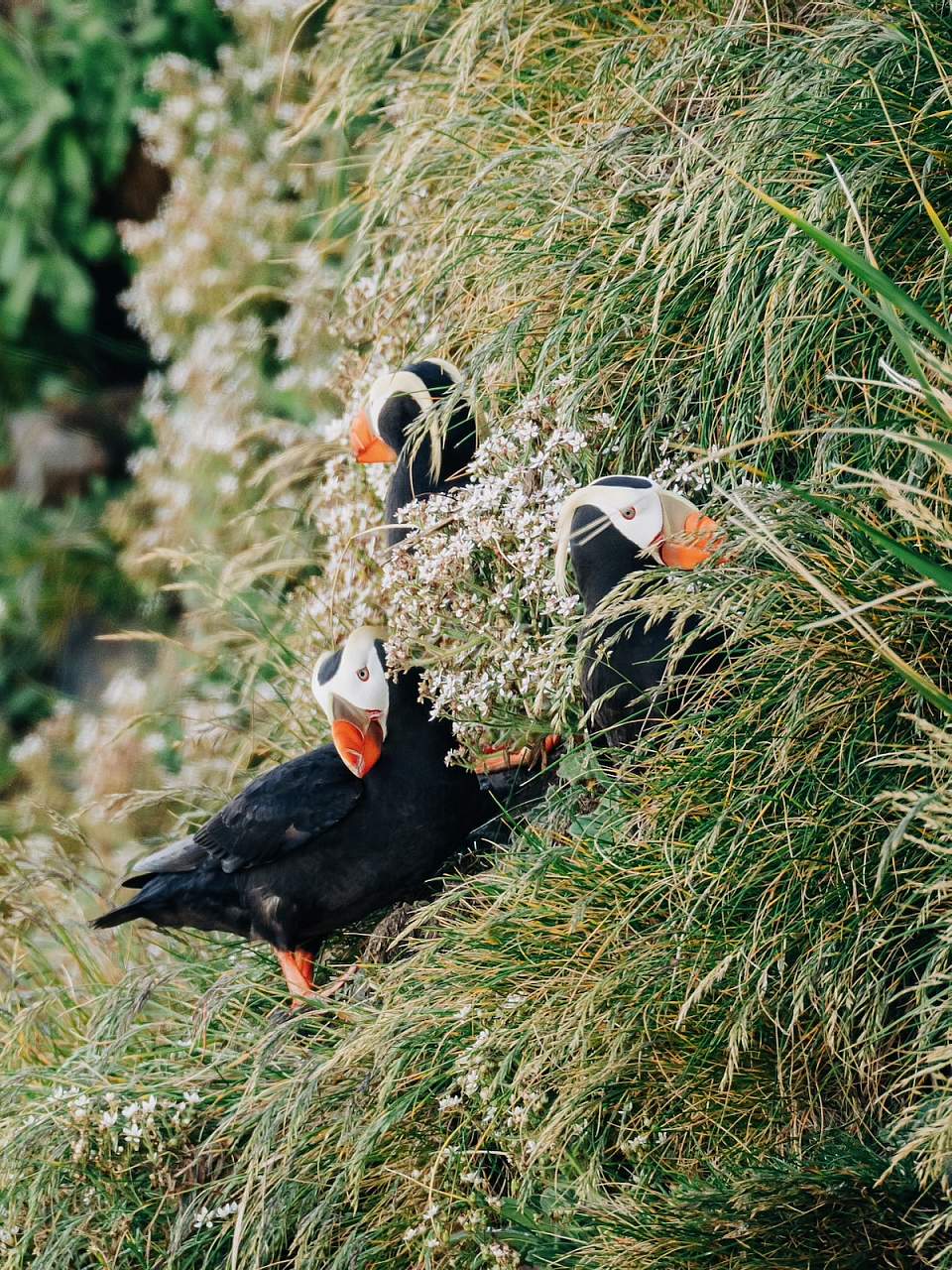
- Tufted Puffins: Recognizable by their bright orange beaks and golden head plumes.
- Rhinoceros Auklets: Diving seabirds that return to burrows on the island after feeding offshore.
- Common and thick-billed murres: Dense colonies gather on narrow cliff ledges where thousands of birds nest shoulder to shoulder. Dense colonies gather on narrow cliff ledges where thousands of birds nest shoulder to shoulder.
- Pelagic Cormorants: Often seen perched along cliff edges or flying low over the water.
- Pigeon Guillemots: Black seabirds with bright red feet that nest in rock crevices.
- Black Oystercatchers: Striking shoreline birds with bright red bills that patrol rocky tidepools.
- Glaucous Winged Gulls: Large coastal gulls that nest throughout the region and are frequently seen around seabird colonies.
- Bald Eagles: Sitka’s most iconic bird often circles overhead or perches nearby watching the activity below.
The island itself is only a small part of the story. The surrounding outer coast waters support a wide range of migrating seabirds throughout the year.
During migration seasons visitors may also encounter species such as Pacific loons, common loons, marbled murrelets, red breasted mergansers, surf scoters, white winged scoters, and black scoters moving through Sitka Sound.
Further offshore along the outer coast, pelagic species such as black footed albatross, northern fulmars, shearwaters, and Cassin’s auklets occasionally appear in feeding areas where ocean currents concentrate food.
The result is a remarkable diversity of birdlife moving through Sitka’s coastal ecosystem across the seasons.
Bears and Rainforest Wildlife
Beyond the shoreline lies the Tongass National Forest, the largest temperate rainforest on earth.
Baranof Island alone supports a large population of Sitka brown bears that rely heavily on salmon streams and coastal feeding areas.
Wildlife often seen in the forests and along shorelines includes:
- Sitka Brown Bears: Often spotted fishing for salmon, foraging along beaches, or raising cubs near streams.
- Bald Eagles: One of the most common birds in Sitka. Eagles perch in spruce trees, gather at salmon streams, and patrol shorelines for fish.
- River Otters: Playful and curious mammals often seen along rocky shorelines or near freshwater streams.
- Ravens: Highly intelligent birds that thrive throughout Southeast Alaska.
- Great Blue Herons and kingfishers: These birds patrol shallow waters hunting fish and small marine life.
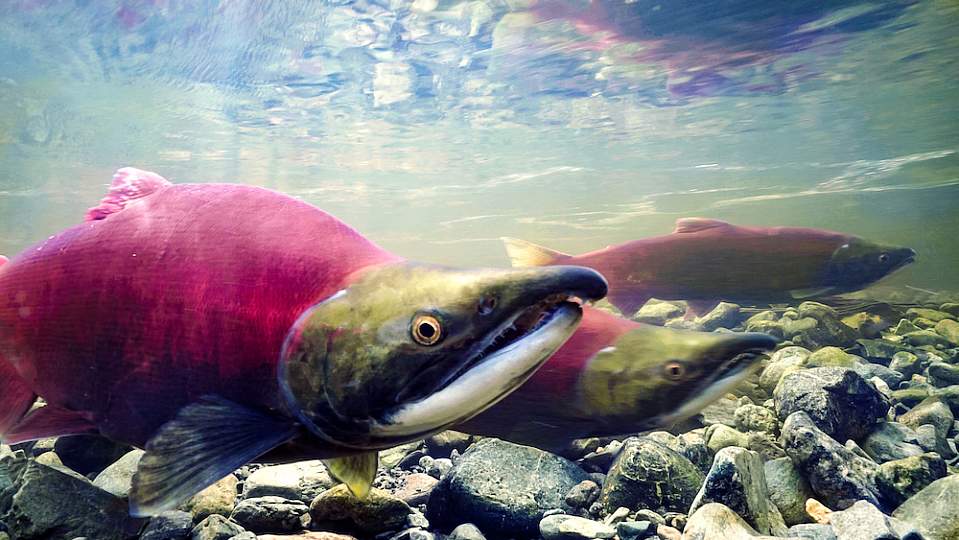
Each summer millions of salmon return to rivers throughout the region. Sockeye, coho, pink, and chum salmon carry ocean nutrients deep into the forest where they feed bears, eagles, and even the trees themselves.
The entire landscape is connected through this cycle.

Seasonal Wildlife Events
Sitka’s ecosystem moves through dramatic seasonal pulses that concentrate wildlife in spectacular ways.
Herring Spawn: In spring millions of herring gather in Sitka Sound to spawn. Their eggs turn the water a cloudy turquoise color along shorelines.This event draws massive numbers of predators including humpback whales, sea lions, seabirds, and bald eagles. The feeding activity can be explosive.
Peak Summer Wildlife: From June through July daylight stretches late into the evening and wildlife activity peaks. Young animals appear throughout the ecosystem and nearly every major species in the region is active.
Salmon Runs: Beginning in late July and continuing into early fall, millions of salmon return to streams across the Tongass. Bears gather to fish. Eagles fill the trees above river mouths. The entire ecosystem responds to the sudden influx of food.
These seasonal events have occurred for thousands of years and remain one of the most powerful expressions of Alaska’s wild systems.
How Sitka Compares to Other Alaska Wildlife Destinations
Visitors often compare Sitka to other famous wildlife locations in Alaska.
Denali National Park offers sweeping tundra landscapes and iconic mountain scenery. Wildlife viewing often happens from park buses and animals can be quite distant.
Katmai National Park is famous for brown bears fishing at Brooks Falls. It is spectacular but typically requires expensive flights and reservations far in advance.
Kenai Fjords National Park offers glacier scenery and marine wildlife but most viewing happens on large tour boats with dozens of passengers.
Sitka offers something different. Wildlife habitat begins just minutes from town. Small boats can explore remote islands and narrow channels. The surrounding outer coast creates dramatic conditions and constantly changing wildlife encounters. For visitors who want a more intimate experience of Alaska’s coastal ecosystems, Sitka is an exceptional place to explore.
Watching Wildlife Responsibly
Seeing wildlife in Alaska is a privilege, and responsible viewing helps ensure animals remain undisturbed.
Federal wildlife regulations require minimum distances from marine mammals and bears. Boats must remain at least one hundred yards from whales and other marine mammals and maintain respectful distance from bears and seabird colonies.
Equally important are ethical guidelines.
- Never feed wildlife.
- Never separate mothers from young.
- If an animal changes behavior because of your presence, you are too close.
Respectful wildlife viewing ensures these ecosystems remain healthy for generations to come.

Photography and Storytelling in the Wild
For many visitors photography becomes a natural way to slow down and observe the world more closely.
Wildlife photography in Sitka is not just about capturing images. It is about learning to notice behavior, patterns, and moments that reveal how animals interact with their environment.
Over the years I have watched whales coordinate feeding beneath the surface, bears teach cubs to fish in quiet streams, and seabirds navigate powerful ocean winds with effortless precision.
These moments remind us that we are witnessing a living system far larger than ourselves.
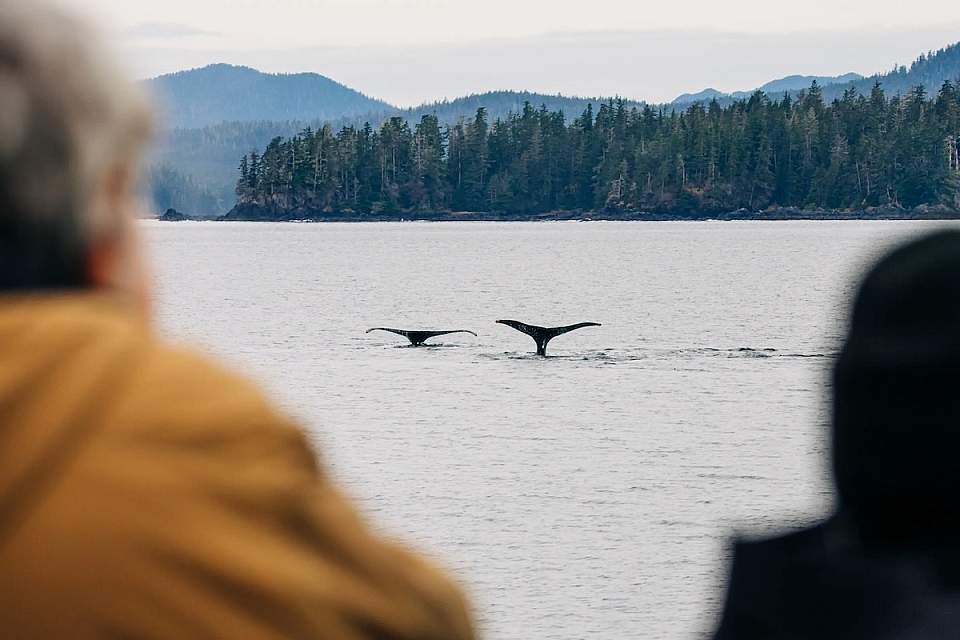
Experiencing Sitka’s Wildlife
After nearly two decades exploring these waters, I realized something important. The most meaningful moments in wild places rarely come from rushing from one attraction to the next. They come from slowing down, paying attention, and allowing the landscape to reveal itself.
That realization is what led me to create Sitka Wonders.
My goal was simple. I wanted to create a way for visitors to experience the wild ecosystems around Sitka in a more personal and thoughtful way. Instead of large tour groups and crowded boats, Sitka Wonders focuses on small groups where guests have space to observe wildlife, ask questions, and truly take in what is happening around them.
Today we offer a handful of small group experiences designed to help visitors connect more deeply with the wildlife and landscapes of Southeast Alaska.
Sitka’s Wild Coast Exploration (2.5 hours): This shorter wildlife tour explores Sitka Sound and often encounters whales, sea otters, sea lions, and seabirds. It is a great introduction to the ecosystem for visitors with limited time and who want a naturalist’s approach to our ecosystem.
Islands of Wonder Wildlife Adventure (4 hours): Our longer tour travels farther toward the outer coast where wildlife activity can be especially dynamic. These trips often include seabird colonies, whale watching, remote island beach exploration and more time to soak in Alaska’s wilderness.
Wildlife Photography Workshops: For guests interested in photography, I also offer small group and private workshops focused on wildlife behavior, storytelling, and learning to see the landscape more deeply.
Sitka’s Hidden Wonders Film Experience: We also created a forty minute wildlife film that explores the remarkable connections within Sitka’s ecosystem. From microscopic plankton to bubble net feeding whales, the film helps reveal the hidden relationships that make this place so special. It’s been honored with awards from festivals across the country and has helped thousands of tourists better understand why this place is so special while they visit. For many, it's the perfect pre-tour experience to give context before heading out to explore.
Whether you join one of our trips or simply spend time exploring Sitka on your own, the real reward comes from slowing down and allowing this wild coast to unfold in front of you.
Planning a Trip to Sitka
Sitka is accessible by daily Alaska Airlines flights from Seattle as well as by cruise ship throughout the summer season. Wildlife activity peaks between May and September when long daylight hours and abundant food bring animals into coastal waters.
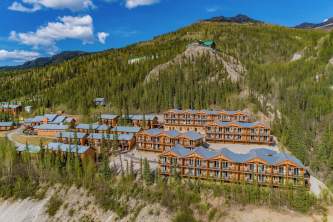
Visitors will find a range of lodging options in town from small hotels and vacation rentals to budget friendly hostels. Staying downtown allows easy access to Crescent Harbor where many wildlife tours depart.
Why Sitka Still Surprises Me
After nearly two decades exploring these waters, Sitka still surprises me.
A whale behavior I have never seen before.
A bear encounter in perfect morning light.
A fog filled shoreline that reveals something entirely new.
The best moments are rarely the ones you plan.
They are the ones the outer coast offers when you slow down, pay attention, and allow yourself to be present in the wild places around you.
If you are planning a trip to Alaska and hope to experience wildlife in a meaningful way, Sitka is one of the most remarkable places you can visit.
And the outer coast is waiting.
Just remember to bring your sense of wonder.