What Should You Pack When Traveling With Kids to Alaska?
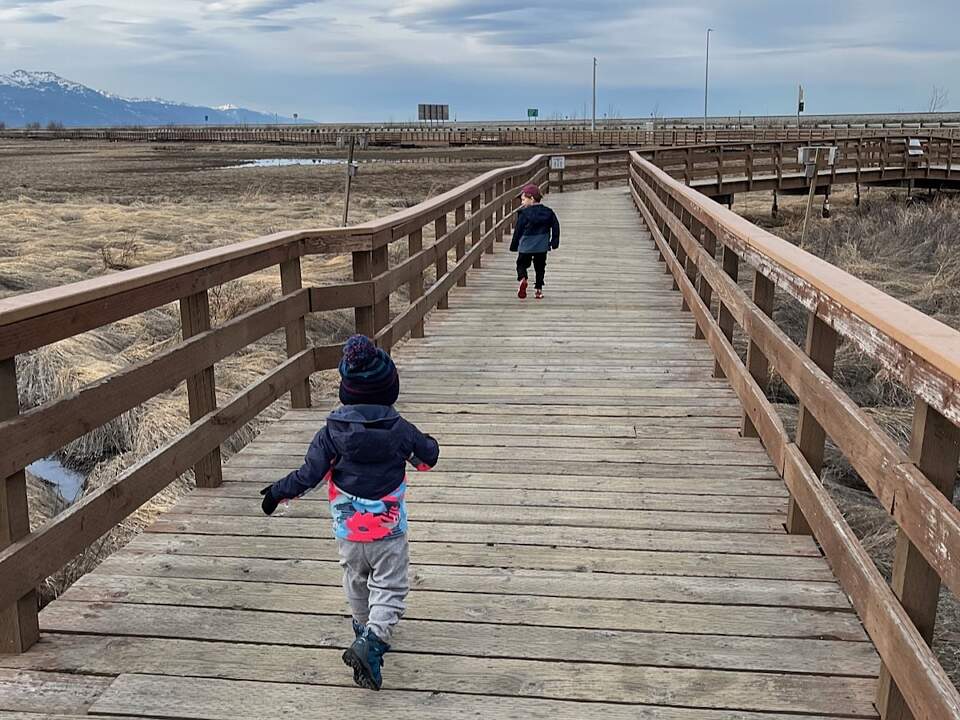
Sturdy shoes make all the difference on a hike or walk
By the Alaska.org Editorial Team · Updated August 2026.
When traveling with kids to Alaska, bring a proper layering system—moisture-wicking base layers, warm insulating layers, and fully waterproof jackets and rain pants—plus two pairs of sturdy shoes per child, and blackout sleep gear, since Alaska’s variable weather and long daylight can be challenging for kids. Beyond those essentials, families should pack some other essentials; below, we break down what those items are, why they matter in Alaska’s unique environment, and how to prepare young kids and teens for a smooth, comfortable adventure.
Why Families Need to Pack Slightly Differently for Alaska
Thanks to decades of experience helping families plan Alaska vacations, we know that kids experience Alaska’s environment more intensely than adults. Beaches stay wet, mountain wind chills arrive unexpectedly, and the midnight sun can throw off bedtime routines (which can be the biggest challenge). But with a few thoughtful packing choices, families can stay warm, dry, and ready for adventure—from morning to midnight sun.
The Family Essentials: What Every Parent Should Pack
These items form the core of a successful family packing list. They’re the things families consistently tell us made a difference—and what many wish they’d brought.
1. The Right Layers (Kids Need One Extra Layer)
Be prepared! Weather in Alaska can shift quickly, and kids run hot and cold faster than adults.
Pack:
- Moisture-wicking base layers. Think synthetic fabrics, not cotton.
- A warm insulating layer (fleece or lightweight puffy)
- One extra mid-layer per child
- Waterproof outer layer, like a rain jacket (bonus if they’re bright colors easy to spot on trails).
- Lightweight gloves and a warm hat
Why it matters in Alaska: Kids cool down fast during glacier-viewing stops, boat tours, and breezy overlooks. You’ll never regret that extra layer, even if you don’t use it.
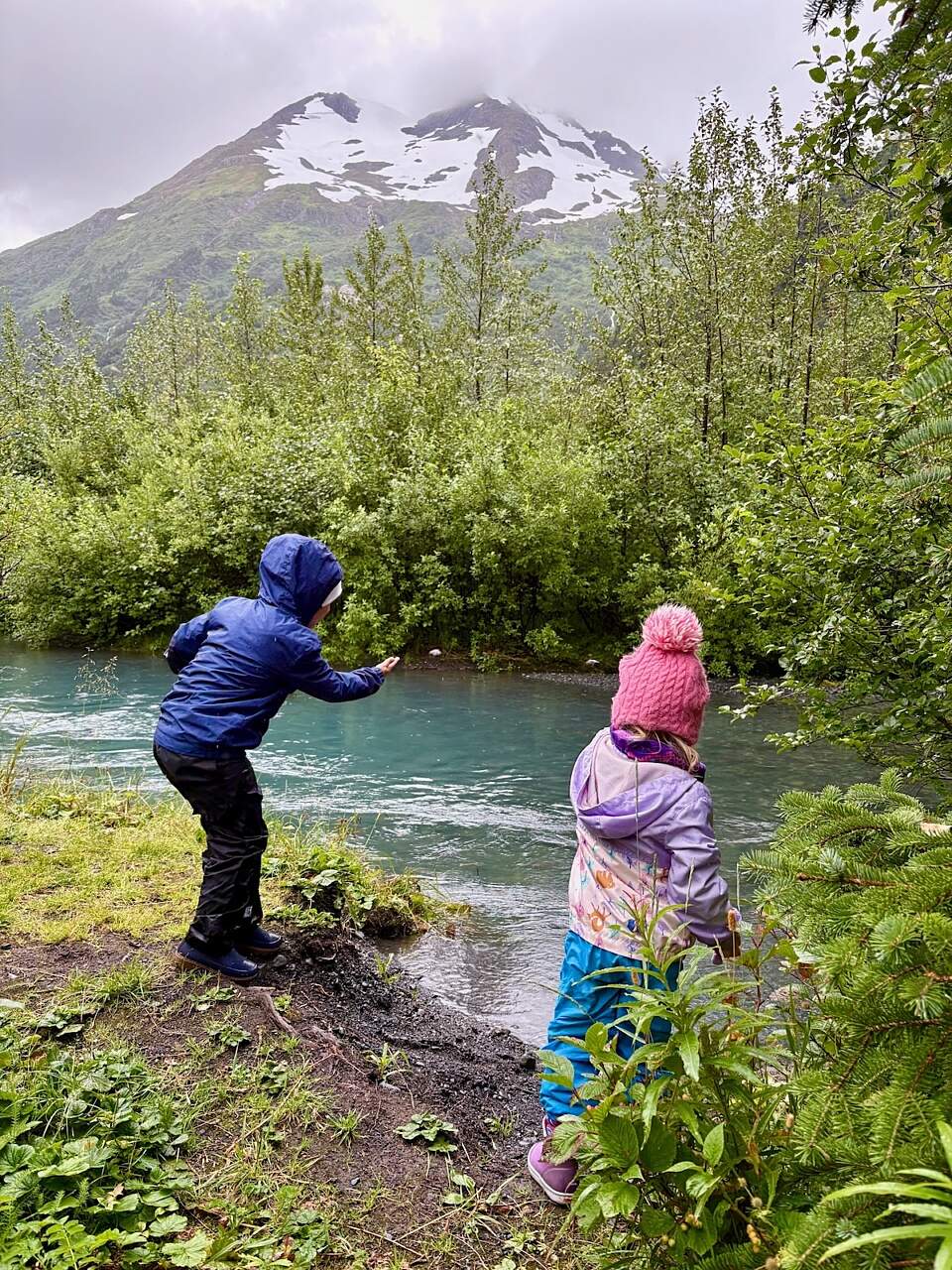
Rain pants, boots, and a light hat can save a rainy August day
2. Waterproof Outerwear (Essential for Children)
Kids interact with the environment at ground level: puddles, wet grass, tidepools, and rain-soaked boardwalks. These items will help.
Pack:
- Waterproof, breathable jacket with hood
- Waterproof rain pants for every child
- Quick-dry pants for non-rain days
Why it matters in Alaska: Even during the summer, rainy conditions are the norm not the exception. Especially in our temperate rainforests in Southeast, Alaska and the Girdwood / Whittier area near Anchorage.
3. Footwear: Bring Two Pairs Per Child
If we could emphasize only one thing, it would be this (for the reasons we mentioned above!).
Pack:
- Waterproof hikers or sturdy athletic shoes. For teens, trail runners or low cut hiking shoes are usually ideal.
- A second pair of shoes (something will get wet)
- Wool or synthetic socks (avoid cotton)
Why it matters in Alaska: Wet feet rarely result in happy kids, and wet shoes are common here, even on sunny days. If your kids are like hours, every puddle is meant to be jumped in. You may even consider bringing the rain boots!
4. Sleep Gear for the Midnight Sun
Depending on when you’re here, the summer daylight can stretch to nearly 24 hours—and that can be tough on the sleeping patterns of kids.
Pack:
- Eye masks for older kids and teens
- Portable blackout curtains or temporary blackout materials (or check in advance to see if your hotel has blackout curtains!)
- White noise (app or small machine)
- Familiar bedtime items
Why it matters in Alaska: Some communities never get fully dark in June, and solid sleep makes a world of difference when you have a packed calendar of activities.
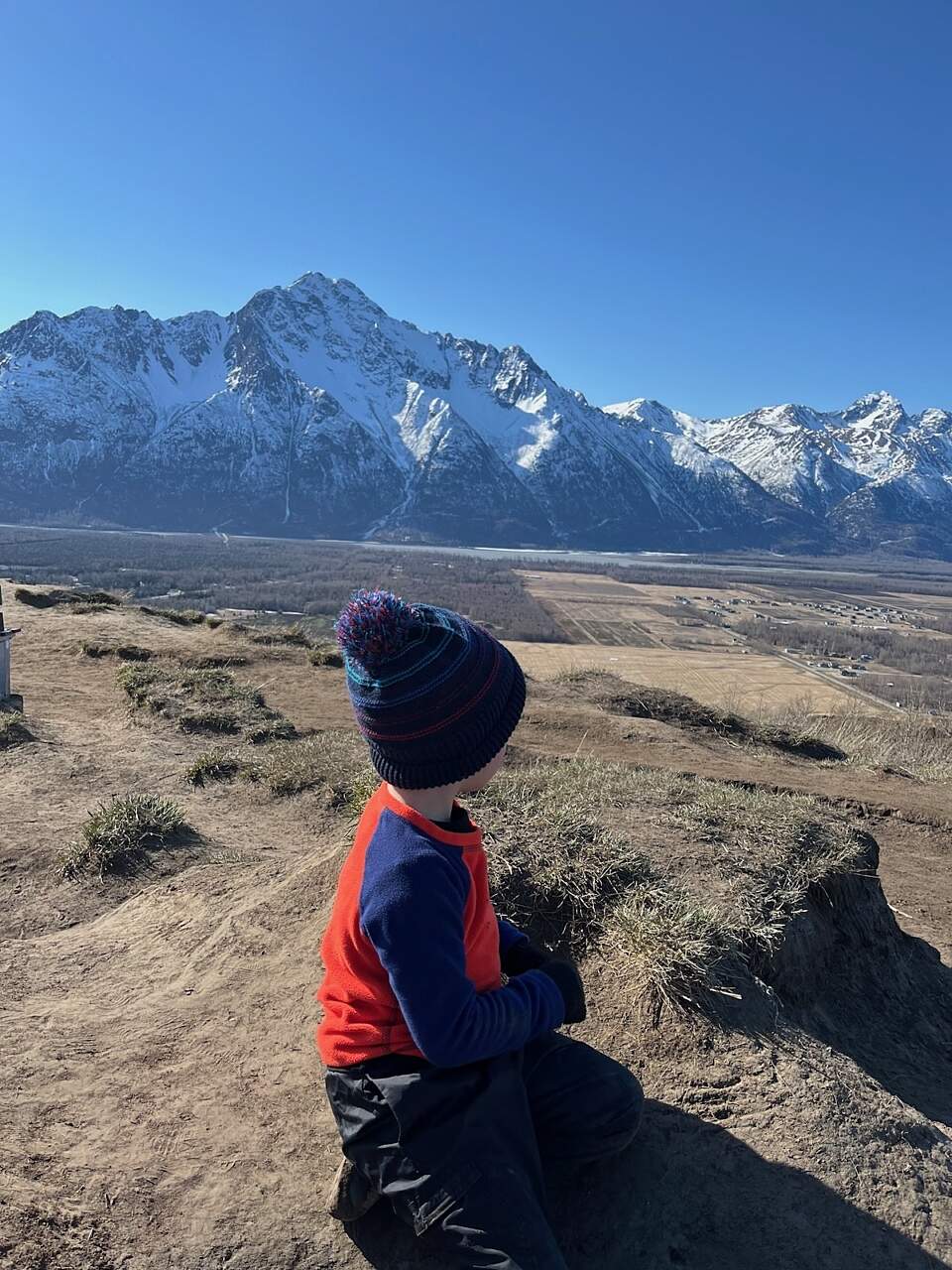
A fleece sweatshirt, rain pants (to keep away the wind and dirt), and hat on a spring hike
5. Snacks, Hydration, and Supplies for Long Drives
Alaska’s distances are greater than many families expect, which can make for unexpectedly long car trips. But some pre-planning can help minimize the number of times you hear “Are we there yet?”
Pack:
- Non-melting snacks
- A soft-sided cooler for healthy options
- Reusable water bottles
- Downloaded offline entertainment
Why it matters in Alaska: Cell service can drop off along major highways, and roadside food options may be spaced farther apart.
6. Car Seats, Cribs, and Comfort Items
Gear availability varies widely across Alaska. Depending on the age of your kids and their needs, consider the following items.
Pack or confirm with the hotels/rental car companies:
- Car seats or boosters (reserve early if renting)
- Travel crib or pack-n-play (small lodges may have limited options)
- Children’s medications and a family first-aid kit
- Comfort items kids rely on
Why it matters in Alaska: Remote lodges and small towns often carry only limited child gear.
7. Essentials for Boats, Wildlife Cruises, and Flightseeing
These excursions are trip highlights for most families; having the right gear can make the experience even more magical.
Pack:
- Warm layers (glacier winds are cold, even in July)
- Light gloves and hats
- Motion sickness aids for boat-sensitive kids. Sometimes, items are available for purchase on board but it’s better to prepare in advance if you know your child gets motion sickness.
Why it matters in Alaska: Boat tours often last several hours, and conditions on the water run much cooler than on land.
8. Bug Protection for Kids
Mosquitoes—which can be an annoyance, especially for children—are most noticeable in June and July.
Pack:
- Mosquito repellent
- Long sleeves and pants, which will help reduce repellent use
- Head nets for backcountry hikes (teens tolerate them better than toddlers). But if the conditions on a trail are too buggy that day, like us you’ll probably just turn around and find a different trail!
Why it matters in Alaska: Bugs are manageable but persistent in certain regions. Fortunately, proper repellent helps keep them at bay.
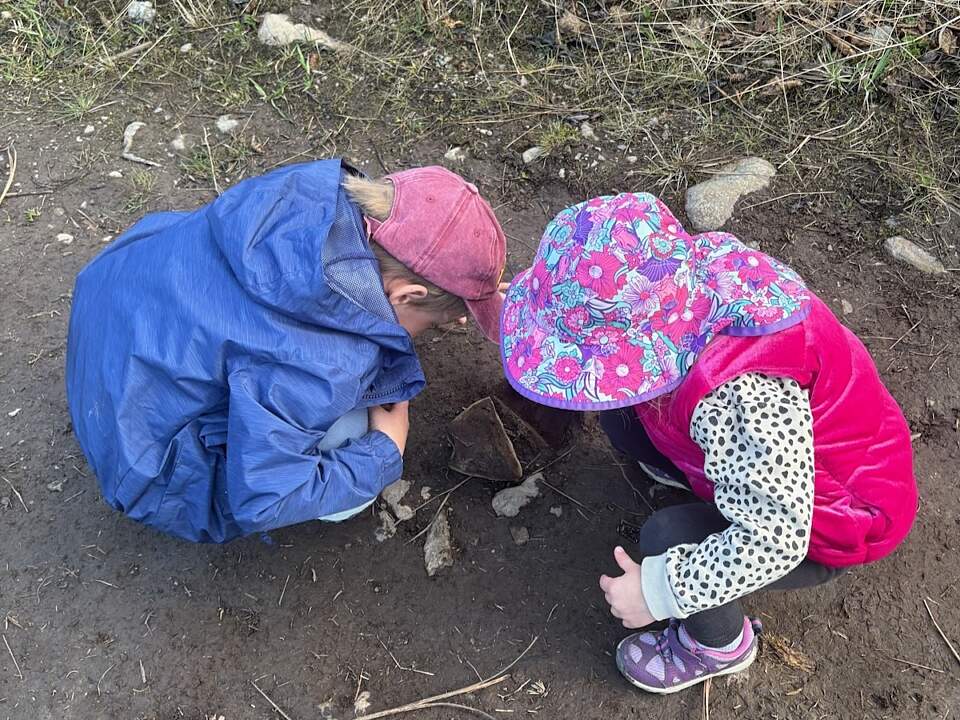
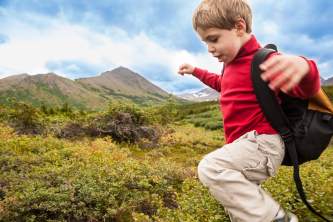
Kids bend down to look for bugs under a rock. Make time in your schedule for stops to explore!
9. Kid-Friendly Daypacks
Kids enjoy having their own responsibilities, and having them carry some of their own gear can help keep outings run smoothly.
Each child can carry:
- A shell jacket
- Water bottle
- Snacks
- Gloves and hat
- A small nature notebook or pair of kid binoculars
- Consider purchasing a wildlife or flora/fauna book so kids can identify things as they go!
Why it matters in Alaska: Hikes and wildlife stops are more fun when kids feel engaged—and, of course, when they have the right gear for the weather conditions.
What Kids Don’t Need
Families often overpack. Keep in mind that people dress casually in Alaska’s restaurants and hotels. And when it comes to tours, most provide any specialty gear. Kids rarely need:
- Heavy hiking boots
- Bulky coats
- Fancy clothes for restaurants
- Large toys
Renting or Buying Kids’ Gear Once You Arrive
If you want to travel lighter—or forget to pack something for the kids—you’ll find some great options for renting or buying clothing and gear. It’s common for families to pick up rain pants or warmer layers once they see the week’s forecast.
In Anchorage, head to these stores:
- The Hoarding Marmot, for gently used outdoor gear. They often have a really good selection of used kids items.
- Big Ray’s, to find durable outerwear and boots for all ages
- 6th Avenue Outfitters features fishing gear rentals and Alaska-ready clothing
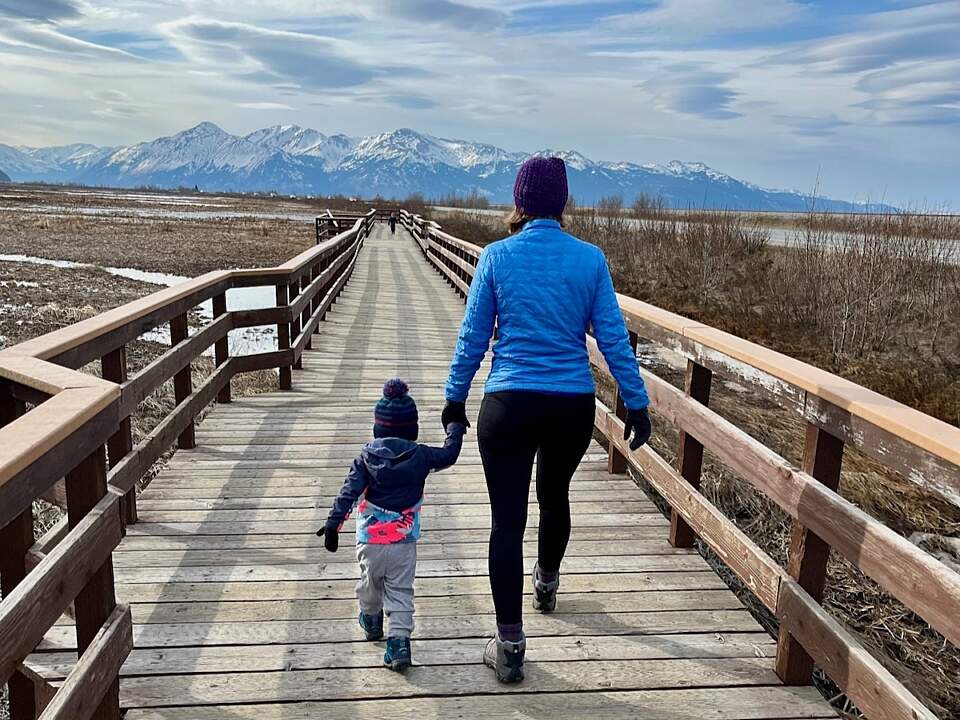
Just like kids, Adults will benefit from layers and a light hat, especially if there's a breeze!
Quick Family Packing Checklist
Add these items to our standard Alaska packing list:
- Moisture-wicking base layers
- Warm mid-layers
- Waterproof jacket and rain pants for each child
- Two pairs of sturdy shoes per kid
- Blackout sleep gear
- Car seat or booster
- Travel crib or confirmed lodging crib
- Kids’ medications and first-aid kit
- Snacks and a small cooler
- Gloves and hats
- Daypacks for kids
- Motion sickness remedies
- Extra socks